
International Baccalaureate Primary Years Program
International Baccalaureate – Mission Statement
“The International Baccalaureate aims to develop inquiring, knowledgeable and caring young people who help to create a better and more peaceful world through intercultural understanding and respect.
To this end the organisation works with schools, governments and international organisations to develop challenging programmes of international education and rigorous assessment.
These programmes encourage students across the world to become active, compassionate and lifelong learners who understand that other people, with their differences, can also be right.”
Globally Recognised
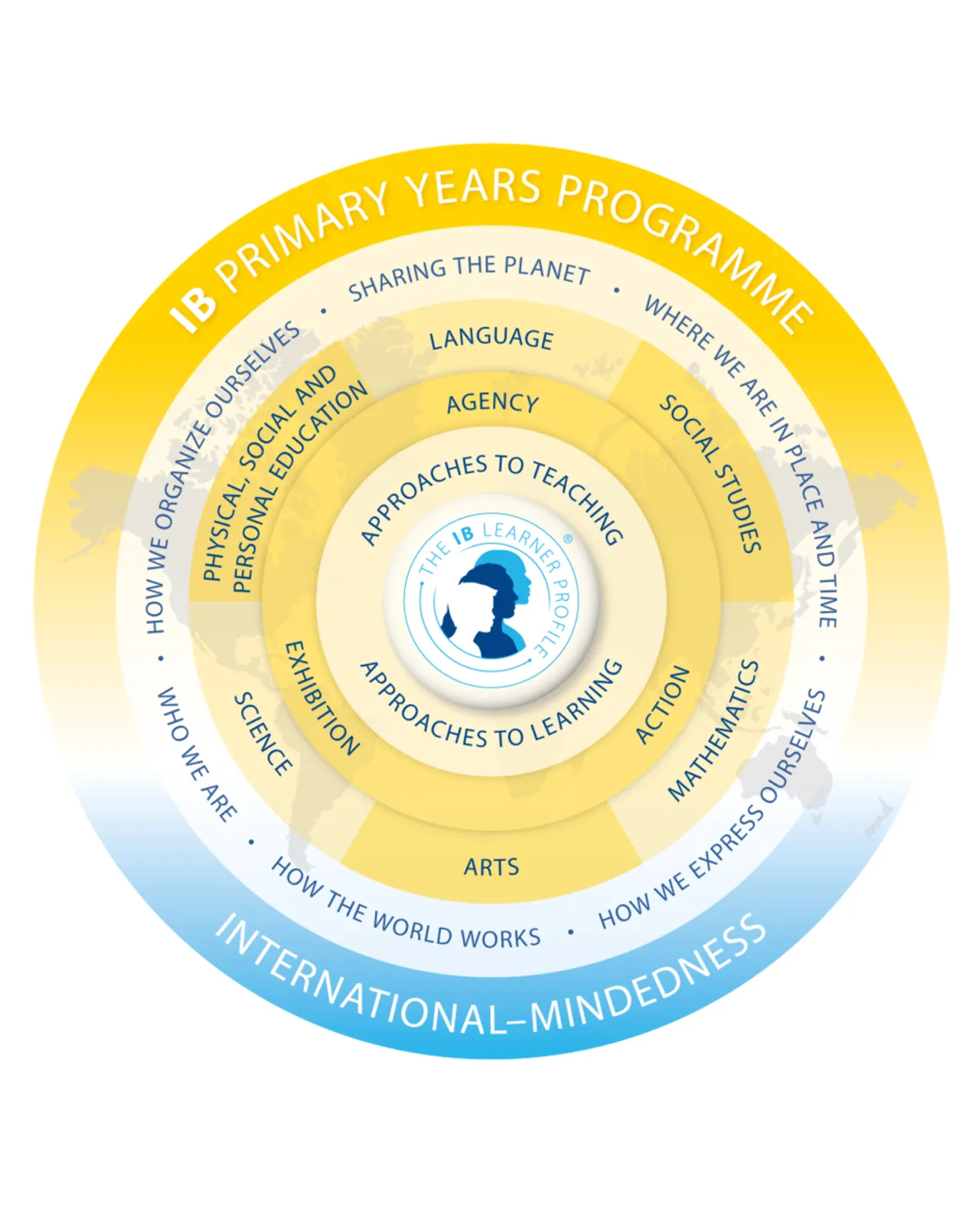
Hills is proud to offer our Primary students the International Baccalaureate Organisation's acclaimed Primary Years Programme (IB PYP).
The PYP is designed for children aged 3 – 12, and develops young students as caring, active participants in a lifelong journey of learning. Through its inquiry-led, trans-disciplinary framework, the PYP challenges students to think for themselves and take responsibility for their learning as they explore local and global issues and opportunities in real-life contexts.
IB Learner Profile
As IB PYP Learners, students at Hills strive to be:
- Inquirers
- Knowledgeable
- Thinkers
- Communicators
- Principled
- Open-Minded
- Caring
- Risk-Takers
- Balanced
- Reflective
Transdisciplinary Learning
At Hills, we ensure that learning is engaging, relevant, challenging, and significant. This is done through a transdisciplinary approach to teaching and learning that has relevance between, across and beyond subjects and transcends borders that confine them to connect to what is real in the world.
The Six Transdisciplinary Themes form a Programme of Inquiry for each year level from Prep–Year 6. It allows our students to connect to globally relevant issues that are relevant to each specific Year Level and Unit of Inquiry. The themes are as follows:
Who We Are
An inquiry into:
- the nature of the self
- beliefs and values
- personal, physical, mental, social and spiritual health
- human relationships including families, friends, communities and cultures
- rights and responsibilities
- what it means to be human
Where We are In Place and Time
An inquiry into:
- orientation in place and time
- personal histories, homes and journeys
- the discoveries, explorations, and migrations of humankind
- the relationship between and the interconnectedness of individuals and civilizations, from local and global perspectives
How We Express Ourselves
An inquiry into:
- the ways in which we discover and express ideas
- feelings, nature, culture, beliefs and values
- the ways in which we reflect on, extend and enjoy our creativity
our appreciation of the aesthetic
How the World Works
An inquiry into:
- the natural world and its laws
- the interaction between the natural world (physical and biological) and human societies
- how humans use their understanding of scientific principles
- the impact of scientific and technological advances on society and on the environment
How We Organise Ourselves
An inquiry into:
- the interconnectedness of human-made systems and communities
- the structure and function of organisations
- societal decision-making
economic activities and their impact on humankind and the environment
Sharing the Planet
An inquiry into:
- rights and responsibilities in the struggle to share finite resources with other people and other living things
- communities and the relationship within and between them
- access to equal opportunities
peace and conflict resolution
Action
Action is at the core of student agency and is integral to the Primary Years Programme. It is student-initiated and can be individual or collective. It is authentic, meaningful and mindful and can happen any time. The demonstration of action can include:
- Participation – Being actively involved in the learning community and showing commitment to contributing as individuals and as members of a group.
- Advocacy – Taking action individually or collectively to publicly support positive social, environmental or political change.
- Social Justice – Taking action for positive change relating to human rights, equality and equity. Being concerned with the advantages and disadvantages within society, and with social well-being and justice for all.
- Social Entrepreneurship – Supporting positive social change through responding to the needs of local, national and global communities; applying prior knowledge and skills to identify and address challenges and opportunities in innovative resourceful and sustainable ways.
- Lifestyle Choices – Making positive lifestyle changes in response to learning.
Year 6 Exhibition
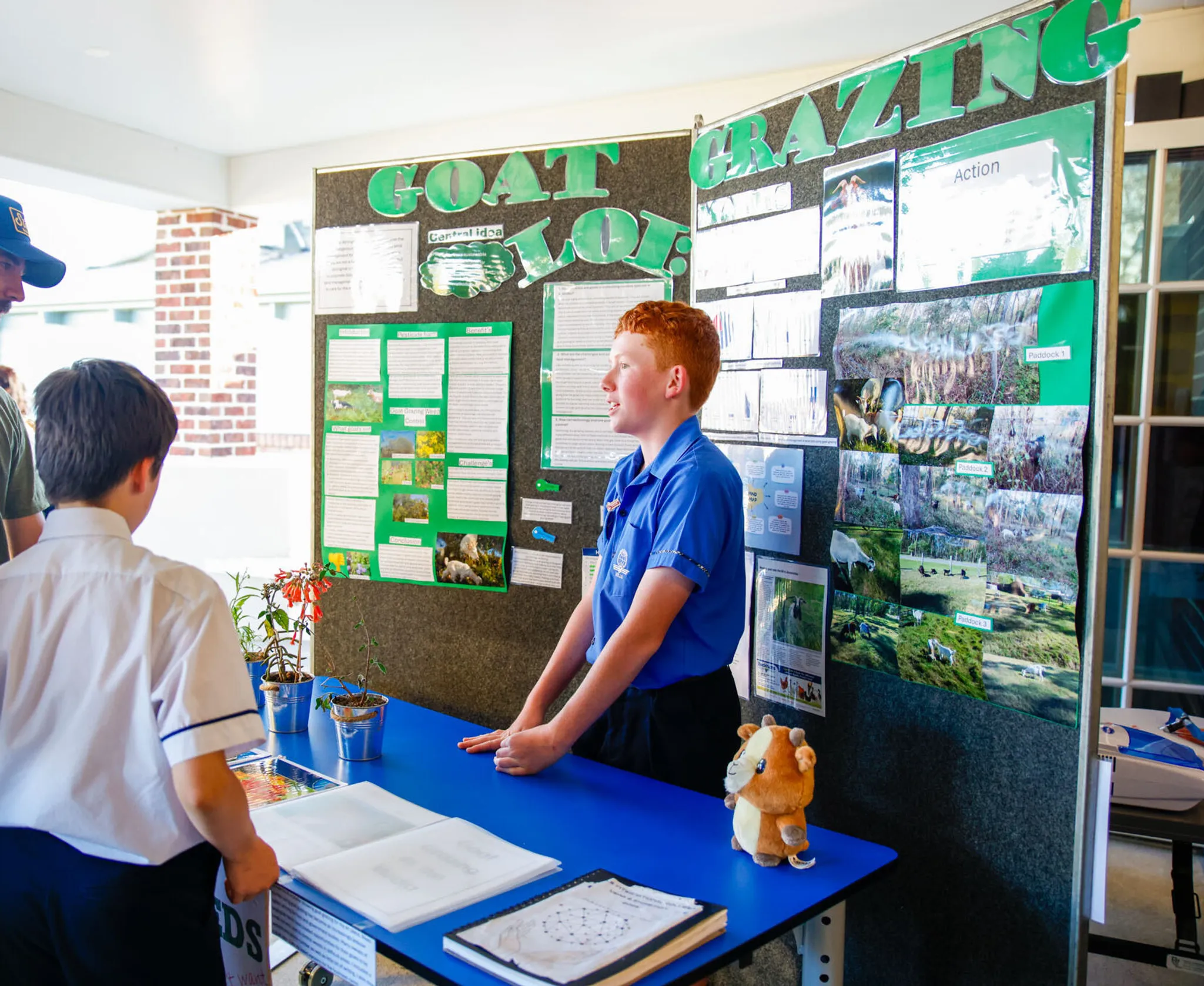
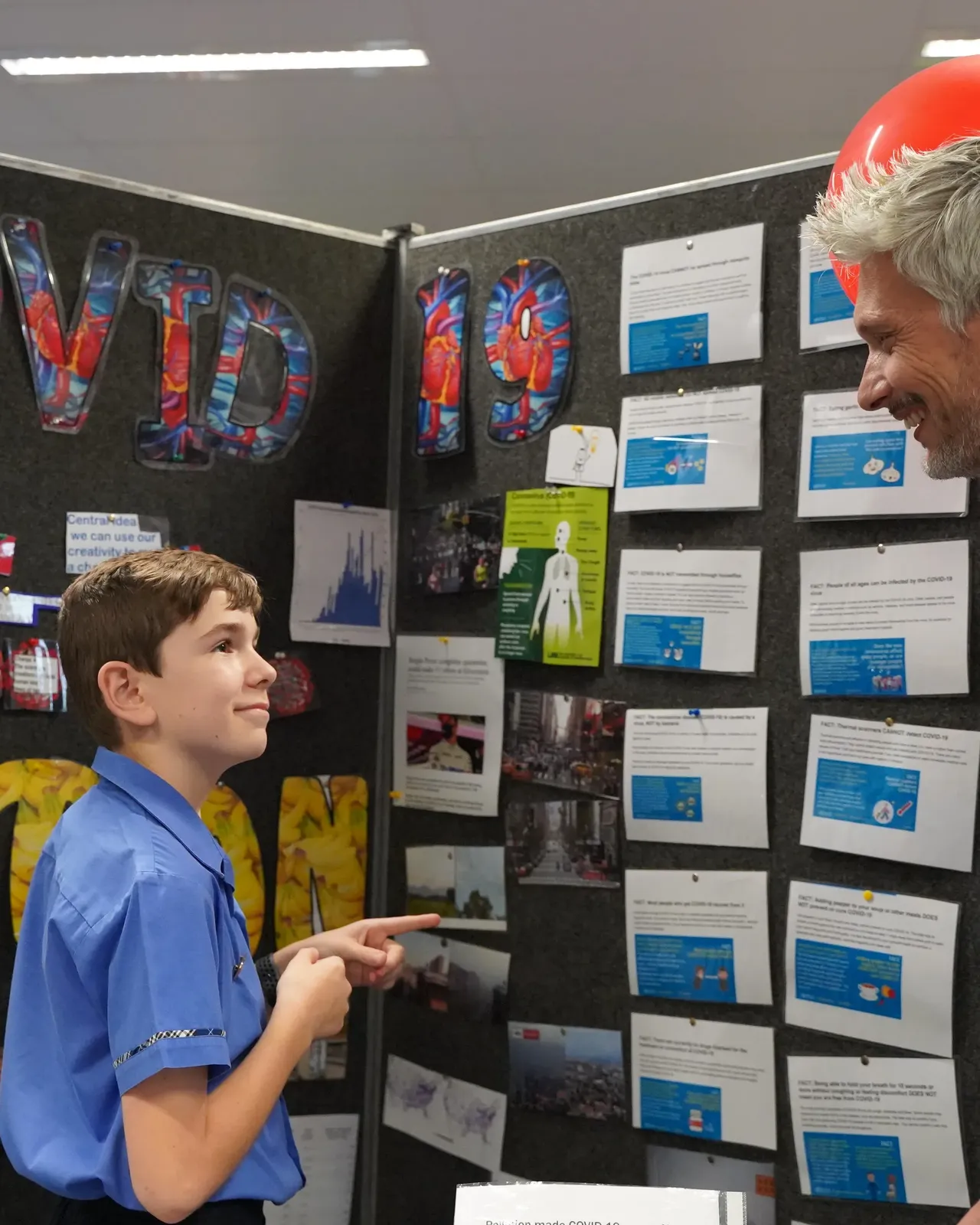
The Year 6 Exhibition is a cornerstone of the Primary Years Programme and the culminating learning experience for all PYP students. It provides an exciting opportunity for Year 6 learners to bring together and apply the essential elements of the PYP through a student-led inquiry into a globally significant issue or topic of personal interest. In preparation for the Exhibition, students practise agency, collaboration, critical thinking, and real-world problem-solving skills while deepening their understanding of how they can make a positive impact. The final presentation is a joyful celebration of students’ growth, voice, and capacity to shape the world around them.
STEAM
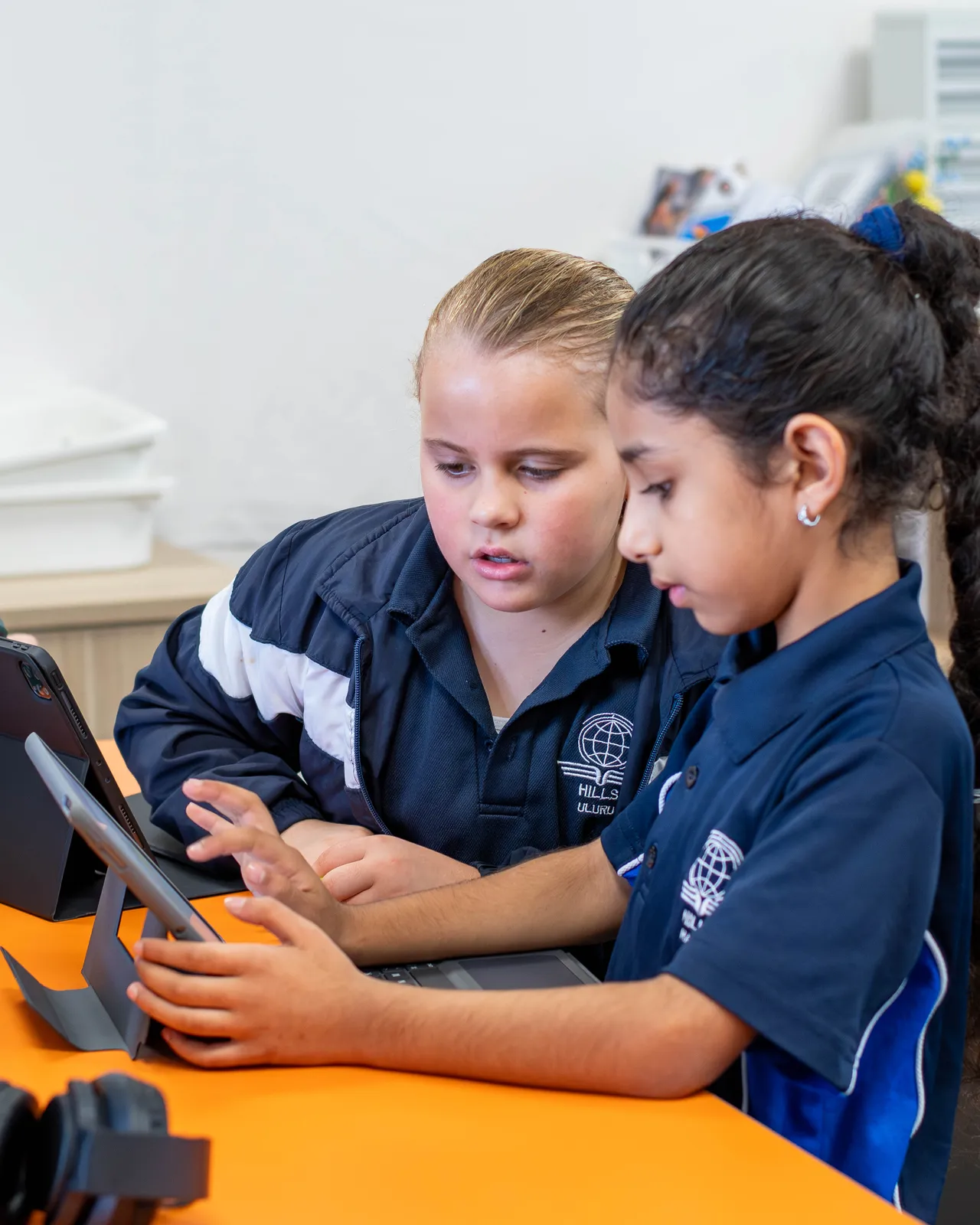
STEAM (Science, Technology, Engineering, Art, Mathematics) is firmly embedded within our Units Of Inquiry. Through STEAM, students develop key skills including critical thinking and independent thinking, problem-solving, communication, collaboration, creativity, initiative, analysis and promoting the IB PYP learner profile attributes.
STEAM is also facilitated as a co-curricular option, broken into lower and upper Primary stages in our ‘Maker Space Zone’ within the Resource Centre and is another opportunity for our students to develop creative solutions to real-world and global problems.
Primary and Secondary Schools | Hills Language College | International Baccalaureate World School